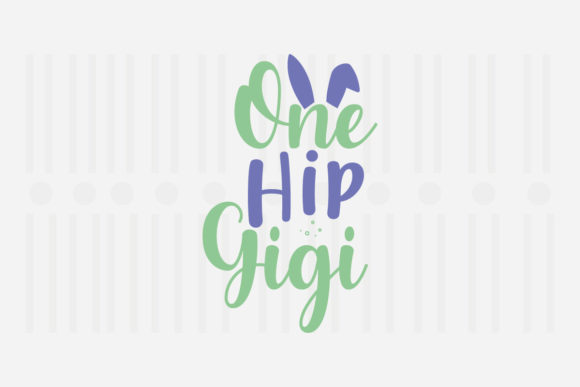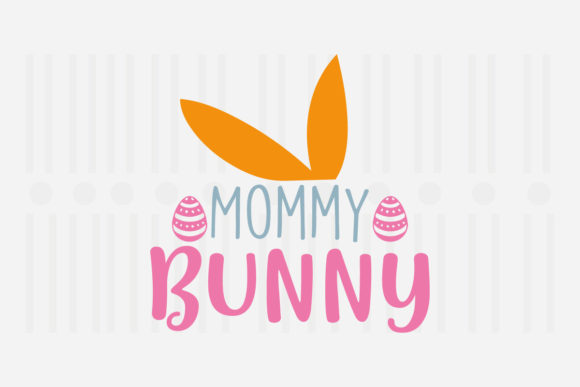
Reviewing the Gigi Bunny Easter SVG for Embroidery
As a designer who spends half my life staring at digitized files and the other half watching needles punch through fabric, I have learned to be skeptical of generic holiday graphics. We see thousands of bunny designs every spring, but few translate well from a flat screen to the textured reality of thread and cloth. When I first pulled up the Gigi Bunny,Easter SVG, my initial reaction was not just about cuteness; it was about structure. Does this design have the integrity to hold up under a presser foot? After reviewing the source files and considering its application in real-world projects, I found it to be a versatile asset for both digital printing and machine embroidery adaptation.
First Impressions: Mood and Visual Personality
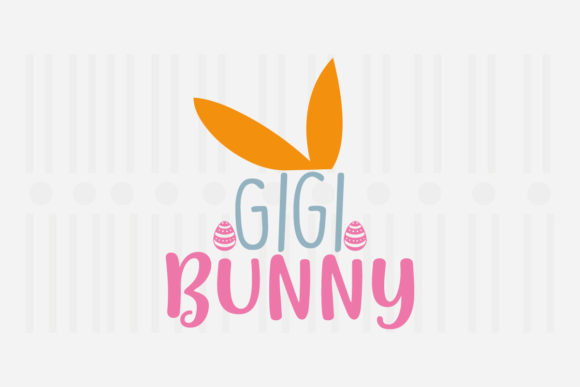
The Gigi Bunny,Easter SVG carries a distinct mood that balances playful charm with clean simplicity. In the world of Graphics and Crafts, overly complex designs often fail because they lose definition when scaled down or stitched out. This design avoids that pitfall. The lines are confident, and the layout feels open rather than cluttered. For an embroidery designer, this is crucial. It suggests that the negative space is intentional, allowing the fabric to breathe.
Visually, the design feels modern yet timeless. It does not rely on trendy distortions that might look dated in a year. Instead, it offers a classic Easter aesthetic that appeals to a broad demographic. Whether you are creating a personalized gift for a niece or designing a batch of custom apparel for a boutique shop, the visual personality of this SVG fits seamlessly into spring-themed collections. The fact that it is described as "ready to print" and "color changeable" indicates a vector-based foundation, which is ideal for resizing without losing quality—a key requirement for professional design assets.
Real-World Application: From Screen to Stitch
To truly evaluate a design, I imagine it in a specific scenario. Let’s say I am preparing a custom embroidered patch for a local farmer’s market tote bag campaign. The client wants something cheerful but not childish. Here, the Gigi Bunny,Easter SVG shines. Because the file includes EPS and SVG formats, I can easily import it into my digitizing software. The clean paths allow me to define stitch types with precision.
For a tote bag design, I would likely use a combination of satin stitch for the outlines to create a raised, premium feel, and a light fill stitch for any larger solid areas if I choose to fill them. However, given the likely simplicity of the bunny shape, running stitches or simple satin borders might suffice, keeping the stitch density low. This is vital for canvas or cotton tote materials, which can pucker if too many stitches are packed into a small area. The design’s inherent simplicity means it won’t require excessive underlay or complex compensation, making it a reliable choice for high-volume production.
Beyond totes, consider sweatshirt embroidery. A fleece or French terry fabric has a pile that can swallow small details. Since the Gigi Bunny,Easter SVG features bold, clear shapes, it remains legible even on textured fabrics. It would work beautifully as a chest logo on a pastel hoodie, offering a subtle nod to the season without overwhelming the garment. For baby embroidery, such as on a onesie or burp cloth, the soft curves of the bunny are safe and appealing. Just ensure you use a soft backing stabilizer to keep the finished product comfortable against sensitive skin.
Navigating Technical Challenges
While the design is robust, there are areas where caution is necessary. If you plan to use this on dark fabric, you must pay attention to thread color contrast. A light-colored bunny on navy blue requires precise registration. If your machine tends to drift, the gaps between stitch blocks might reveal the dark fabric underneath, breaking the illusion of the shape. Always test on scrap fabric first. Check your thread colors against the background to ensure the design pops.
Another consideration is hoop size. If you are stitching this on a curved surface like a cap, you need to ensure the design fits within the usable area of your cap frame. The scalability of the SVG is an advantage here, but remember that shrinking a design too much can cause thread breaks if the stitch length becomes shorter than the needle eye can handle. Conversely, enlarging it too much without adjusting density can lead to fabric distortion. Always review the scale relative to your stabilizer choice. For stretchy fabrics like jersey tees, a cut-away stabilizer is non-negotiable to prevent the design from warping after washing.
Also, be mindful of tiny details. If the SVG includes small internal elements, verify that they are large enough to be stitched cleanly. In machine embroidery, anything smaller than 3mm can be problematic depending on your thread weight. If the Gigi Bunny,Easter SVG has intricate inner lines, you may need to simplify them in your digitizing software, converting fine details into single-run stitches or removing them entirely for a cleaner look.
Commercial Value and Brand Consistency
For Etsy sellers and small shop owners, the value of a design lies in its versatility and professionalism. The Gigi Bunny,Easter SVG supports this by being "100 Color Changeable." This means you can adapt the design to match your brand palette. If your shop specializes in earth tones, you can swap bright pastels for muted sage and terracotta. This flexibility helps maintain brand consistency across different product lines, from kitchen towel sets to pillow covers.
Moreover, the inclusion of source files (EPS and SVG) adds significant value. It allows you to create high-resolution printable mockup images for your online listings. Customers buy with their eyes, and a crisp, scalable vector image looks far more professional than a pixelated JPEG. This enhances buyer engagement and trust. When customers see a polished presentation, they perceive higher quality in the finished product.
Practical Designer Notes
Before committing to a full production run, follow these steps:
- Test on Scrap Fabric: Always stitch a sample on the same material you intend to use for the final product. This reveals issues with tension, density, and fabric compatibility.
- Check Licensing: While the product description mentions it is ready for use, always confirm the specific license terms for commercial sales. Ensure you are allowed to sell physical items made with this design.
- Inspect Small Details: Zoom in on the SVG paths. Look for overlapping nodes or open paths that might cause errors in your digitizing software.
- Contrast Testing: View the design in black and white. If it loses its shape without color, it may rely too heavily on color blocking rather than form. Adjust your stitch types accordingly.
- Stabilizer Selection: Match your stabilizer to the fabric. Use tear-away for stable wovens and cut-away for knits or stretchy materials.
In conclusion, the Gigi Bunny,Easter SVG is a strong contender for spring projects. Its clean lines, scalability, and color flexibility make it suitable for a wide range of applications, from holiday embroidery gifts to commercial craft business inventory. By approaching it with a designer’s eye for detail and a practitioner’s respect for fabric limitations, you can create products that are not only festive but also professionally executed.