Reviewing One Lucky Husband St. Patrick’s SVG for Embroidery
As a designer who spends half my life digitizing and the other half stitching, I have learned to look past the glossy preview images. We all know that what looks crisp on a screen does not always translate cleanly to fabric. When I first encountered One Lucky Husband,St. Patrick s Svg, my initial reaction was cautious curiosity. It is marketed primarily as a graphic asset for printing on t-shirts, posters, and mugs, but the craft community is increasingly hybrid, often using vector files as the foundation for custom machine embroidery designs. I wanted to see if this specific design held up when subjected to the realities of thread, tension, and fabric texture.
The Visual Personality and First Impressions
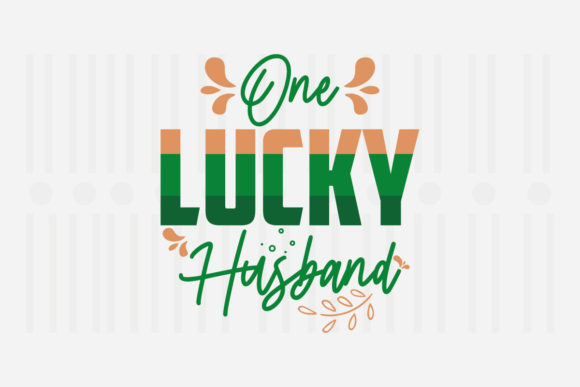
The theme here is playful and affectionate, tapping into the humorous side of St. Patrick’s Day celebrations. The phrase "One Lucky Husband" suggests a narrative of gratitude mixed with festive luck, making it an ideal candidate for personalized gifts. Visually, the layout appears balanced, with a clear hierarchy between the text and any accompanying graphical elements like shamrocks or clovers. For an embroidery project, this balance is critical. If the text is too thin or the graphics too dense, you risk a muddy finished product.
The mood is lighthearted and boutique-ready. It does not scream novelty shop; instead, it feels like something you would find in a curated handmade shop or an Etsy listing focused on high-quality custom apparel. The design’s simplicity is its strength. In the world of Crafts and Graphics, less is often more, especially when you are working with the physical limitations of a needle and thread.
Real-World Application: The Sweatshirt Test
To evaluate this properly, I imagined a real-life scenario: a client wants a custom sweatshirt for her husband to wear on St. Patrick’s Day. She wants it to look professional, not like a homemade experiment. Using One Lucky Husband,St. Patrick s Svg as the base, I considered how it would perform on a mid-weight cotton blend fleece.
For a sweatshirt embroidery project, the design needs enough weight to stand out against the textured fabric. If this SVG were converted into a machine embroidery design, I would recommend using a combination of satin stitch for the lettering and a light fill stitch for any background shapes. The key is ensuring the stitch density is appropriate. Too dense, and the fabric puckers; too sparse, and the backing shows through. Since the source file is provided in EPS or SVG formats, it offers the flexibility needed to adjust paths before digitizing. This is a crucial advantage for serious makers who want control over the final output.
Navigating Fabric and Hoop Constraints
Not every surface is forgiving. While this design might look perfect on a smooth poster or mug, embroidery introduces variables like fabric stretch and hoop size. If you are planning to use this on a cap or a curved surface, you must be mindful of distortion. Small details can get lost or bunched up when stitched on a tight curve. I would advise testing the design on a scrap piece of similar fabric first. Check how the thread colors interact with the material. A dark green thread on a black hat might lack the necessary contrast, rendering the message unreadable.
For smaller items like baby clothes or embroidered patches, scale becomes the enemy. The phrase "One Lucky Husband" has a certain length. If you shrink it down to fit a small hoop size, the legibility of the font could suffer. In such cases, consider simplifying the design or opting for a larger item like a tote bag design or a kitchen towel where the text can breathe. Always confirm hoop size compatibility with your machine before starting a commercial embroidery project.
Color Strategy and Visual Appeal
The product description notes that the file is 100% color changeable and ready to print. For embroidery, this translates to versatility in thread selection. St. Patrick’s Day traditionally calls for greens, golds, and whites, but do not feel bound by tradition. A navy blue sweatshirt with white and gold stitching can look sophisticated and modern. Use a printable mockup to test different color combinations before committing to thread. This step saves time and materials, ensuring your finished product appeals to your target audience.
Thread color contrast is vital for readability. If you are stitching on a busy fabric texture, choose solid, bold colors. Avoid variegated threads for small text, as they can obscure the letters. The goal is to enhance the visual appeal and ensure the message is instantly recognizable. A well-executed design builds customer trust and elevates the perceived value of your handmade product.
Practical Notes for the Craft Business Owner
If you are an Etsy seller or run a small shop product line, consistency is key. Using a reliable design like One Lucky Husband,St. Patrick s Svg allows you to create a cohesive collection. You can pair it with other holiday-themed items to boost seasonal sales. However, always check the licensing terms. While the file is sold as a graphic for various uses, using it to create digital embroidery files for resale may require specific permissions. Confirm whether the license covers commercial embroidery projects or if it is strictly for personal use and physical end products.
Before listing your item, inspect the stitched sample for loose threads or uneven tension. A professional presentation matters. Use proper stabilizer to support the fabric during stitching, especially if you are working with stretchy materials or thin fabrics. A cut-away stabilizer is often best for garments that will be washed frequently, ensuring the design remains intact over time.
Final Verdict on Design Utility
In conclusion, One Lucky Husband,St. Patrick s Svg is a versatile asset for creators who understand how to adapt vector graphics for textile applications. It shines in contexts where humor and affection intersect, such as personalized gifts or boutique branding. While it requires careful consideration of stitch density, hoop size, and fabric type, the potential for a high-quality finished product is significant. For the experienced designer, it offers a solid foundation for creating unique, marketable items that stand out in the crowded landscape of holiday crafts. Just remember to test, adjust, and verify licensing to protect your craft business and delight your customers.