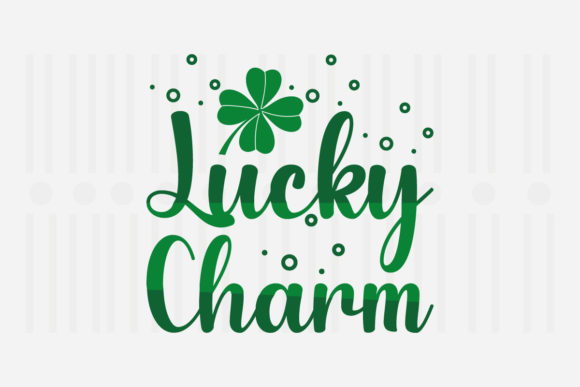
Reviewing the Lucky Charm St. Patrick’s SVG for Embroidery
As a designer who has spent countless hours digitizing and stitching out various motifs, I approach every new machine embroidery design with a mix of curiosity and caution. When I first encountered the Lucky Charm, St. Patrick s Svg, my initial reaction was not just about the festive theme, but about its structural integrity for real-world application. This is not merely a digital asset for printing; it is a potential cornerstone for a spring craft business lineup. However, translating a vector graphic into thread requires a keen eye for detail, density, and fabric interaction.
First Impressions and Visual Personality
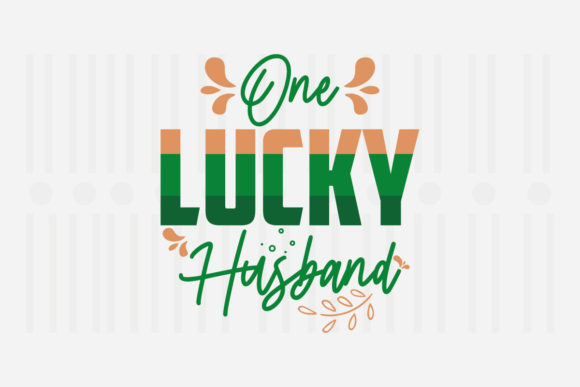
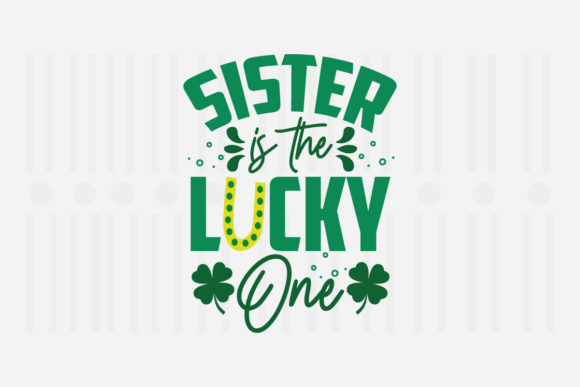
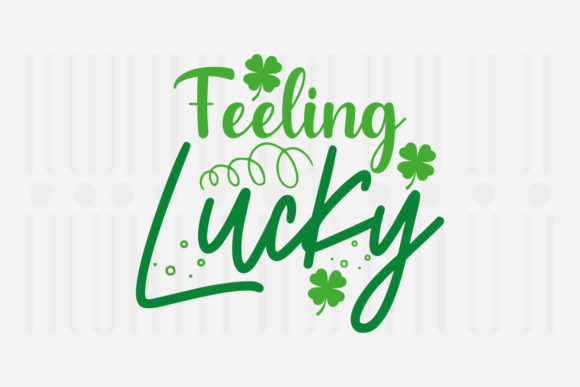
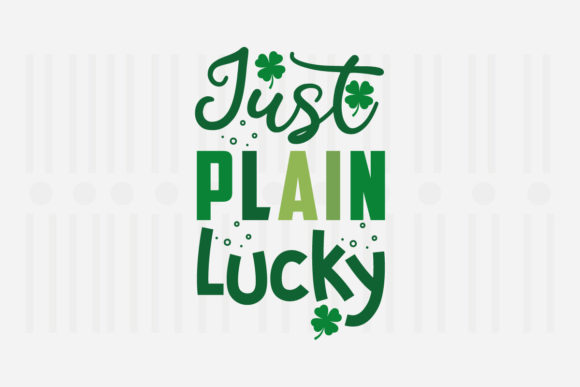
The mood of this design is unmistakably cheerful and inviting. It captures the essence of St. Patrick’s Day without relying on overly complex or cluttered imagery. For an embroidery project, simplicity is often a virtue. The layout suggests a balance between bold shapes and negative space, which is crucial when working with thread. Unlike dense photographic prints, this Graphics asset relies on clear lines and distinct color blocks. This visual personality makes it highly adaptable. It does not scream for attention in a chaotic way; rather, it offers a friendly nod to the holiday, making it suitable for a wide demographic, from children’s items to adult casual wear.
When evaluating the shape and detail level, I look for potential snag points. The curves appear smooth, which is a good sign for satin stitch applications. Sharp corners in digital files can sometimes translate poorly into thread if not properly under-stitched or if the pull compensation is off. While I cannot see the specific digitizing instructions here, the source file being an SVG or EPS suggests that the paths are clean. This cleanliness is vital for anyone looking to convert this into an embroidery file compatible with their specific machine software.
Real-World Application: The Tote Bag Test
To truly understand the value of this design, I imagined a specific scenario: preparing a custom embroidered tote bag for a local boutique’s March promotion. Tote bags are typically made from canvas or heavy cotton, fabrics that have a noticeable texture. A design like Lucky Charm, St. Patrick s Svg needs to stand out against this weave. Because the description highlights that it is "Ready to print" and allows for easy color changes, I can visualize swapping traditional greens for a more muted sage or a vibrant lime to match the brand’s palette.
In this context, the design serves as a focal point. If I were stitching this onto a tote, I would likely use a combination of fill stitches for the larger areas and satin stitches for any borders or text elements. The ability to change colors easily means I can test contrast ratios before committing to the final hoop. A high-contrast thread choice against a natural canvas background ensures the motif remains legible from a distance, enhancing the perceived value of the handmade product.
Versatility Across Product Lines
Beyond tote bags, this design shows promise for several other categories. For custom apparel, such as sweatshirts or t-shirts, the scale must be adjusted carefully. On a sweatshirt, a larger version of the charm could sit comfortably on the chest or back. However, on a t-shirt, particularly one made of thinner jersey knit, the stitch density becomes a critical factor. Too many stitches can cause puckering, while too few may look sparse. Since the file is described as having "100 Color Changeable" options, it implies a level of complexity that might require careful management of thread breaks and trims.
For baby embroidery projects, such as onesies or bibs, the design would need to be scaled down significantly. Here, the simplicity of the SVG works in our favor. Complex details get lost at small sizes, but bold shapes remain recognizable. A small, well-stitched lucky charm on a baby’s cap or burp cloth makes for an adorable personalized gift. It is important, however, to ensure that any small elements are securely stitched to withstand frequent washing and handling.
Technical Considerations for Stitching Success
While the visual appeal is strong, the technical execution determines whether the final product looks professional or amateur. One of the primary challenges with converting SVGs to embroidery is managing the transition from vector paths to stitch types. An applique design approach might be beneficial here if the original SVG has large solid areas. By using fabric applique instead of dense fill stitches, you reduce bulk and save on thread costs, which is essential for maintaining profit margins in a craft business.
If opting for full embroidery, pay close attention to stitch density. Dense areas can stiffen the fabric, which is undesirable for wearable items like caps or curved surfaces. For a baseball cap, the design must be narrow enough to fit within the curved hoop area without distorting. Testing on scrap fabric is non-negotiable. I always recommend stitching out a test sample on the same type of fabric and stabilizer you intend to use for the final product. This helps identify any pulling, gaping, or registration issues before they ruin a saleable item.
Stabilizer choice is another key factor. For stretchy fabrics like those used in athletic wear or baby clothes, a cut-away stabilizer provides the necessary support to prevent distortion over time. For woven fabrics like tea towels or aprons, a tear-away stabilizer might suffice, provided the stitch count is not excessively high. The thread colors selected should also complement the fabric texture. Metallic threads can add a festive touch to a holiday design but require slower machine speeds and careful tension adjustments to avoid breakage.
Commercial Viability and Brand Consistency
For Etsy sellers and small shop owners, the versatility of this design is a major asset. It can be marketed as part of a seasonal collection, boosting visibility during the peak St. Patrick’s Day shopping window. The fact that it is a "Kitchen SVG Quote" suggests it may include text elements. If so, ensuring the font is legible after stitching is crucial. Tiny lettering can become illegible if the stitches merge together. In such cases, simplifying the text or increasing its size is necessary.
Using this design in commercial embroidery projects requires confirming licensing terms. While the product description mentions it is included as a source file, always verify if the license permits the sale of finished physical goods. Many designers allow this, but restrictions on digital resale are common. Assuming the license permits it, this design can enhance brand consistency by offering a cohesive look across various products, from mugs (via sublimation or vinyl) to embroidered patches.
An embroidered patch featuring this charm could be a standalone product or an add-on for jackets and bags. Patches allow for higher stitch densities since they are removed from the garment after stitching, eliminating concerns about fabric puckering. This makes them an ideal medium for testing the full potential of the design’s detail level.
Final Verdict for Designers
The Lucky Charm, St. Patrick s Svg is a promising asset for designers looking to expand their spring offerings. Its strength lies in its adaptability and clear visual language. However, success depends on thoughtful adaptation to the embroidery medium. Do not assume that a print-ready SVG will stitch out perfectly without adjustment. Take the time to digitize or convert it with care, paying attention to underlay, pull compensation, and stitch angles.
By treating this digital embroidery file as a starting point rather than a final solution, you can create high-quality, professional-looking items that resonate with customers. Whether you are creating a single holiday embroidery piece for a friend or a batch of products for your online store, this design offers a solid foundation. Just remember to test, adjust, and respect the limitations of your materials. With the right approach, this lucky charm can indeed bring good fortune to your creative endeavors.